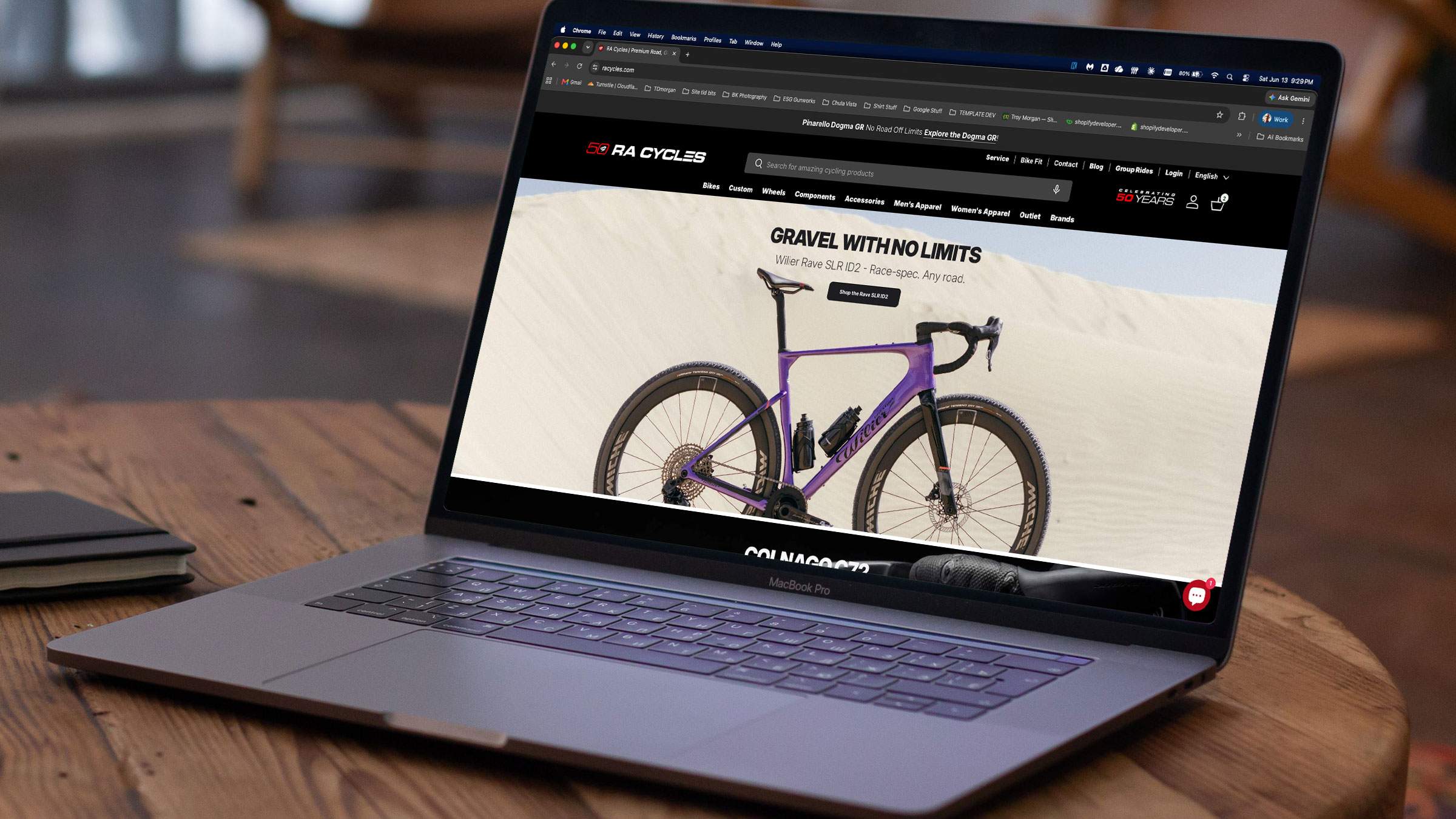
The brief
A premium multi-location retailer that outgrew off-the-shelf tooling and needed systems built for how the business actually runs.
What got retired
Over time, the stack that came with growth got taken back apart. A paid fraud-screening app, uninstalled. A legacy fulfillment app and the hourly spreadsheet sync beside it, gone. Count spreadsheets, gone. And in 2026 the ERP itself — NetSuite — was retired, leaving Shopify as the single system of record. None of it was ripped out on principle; each piece went once the tool that replaced it had been running long enough to trust.
Follow the order
An order lands and is scored by a fraud engine trained on the store's own order history; the risky ones are held before anyone touches them. It moves to Pick & Pack, where each of three stores sees only its own picks. If something is short, the Order Pipeline shows every unfulfilled order and why it's waiting, and messages the rep in Slack when the part arrives. On the floor, the Physical Inventory Count tool puts counting on a phone, with a manager's review before Shopify changes. Upstream, the Purchasing Dashboard and Forecast turn sales history into reorders; downstream, the Sale Scheduler and Bulk Price Updater move prices and put them back.
The growth side
The same toolchain feeds the front of the business: an automated product-description pipeline across thousands of SKUs, a Google Shopping audit platform that keeps the feed healthy, and a revenue-driving Klaviyo integration.
Beyond the order
Not everything is an order. A shared customer-service inbox lives inside the team's own tooling instead of a separate helpdesk. Register extensions add required fees so cashiers don't have to remember them, and checkout carries policy notices where customers actually read them. Group-ride emails send themselves. Two bigger pieces are in rollout now: a service booking hub for the workshops and a custom bike configurator for the storefront.
How it's built
Three rules run through all of it. The tools check Shopify on a schedule rather than waiting to be told something changed, because a missed notification is a missed order. Every write to the store goes through one gate, so it can be tested without touching live data. And every operation is recorded, so nothing is applied twice and anything can be traced afterwards.
Our own proving ground
Every one of these tools ran on our own 50-year business before it ever went near a client's. The fraud engine, the reorder logic, the sale scheduler now powering Steinmetz's dashboard — they were all battle-tested here first. When we tell a client we build custom software, this is the receipt: we run it on ourselves before we sell it.
The result
Each system connects to the others and to the way the business works — not one-off projects, an operating platform.
Steinmetz Co.
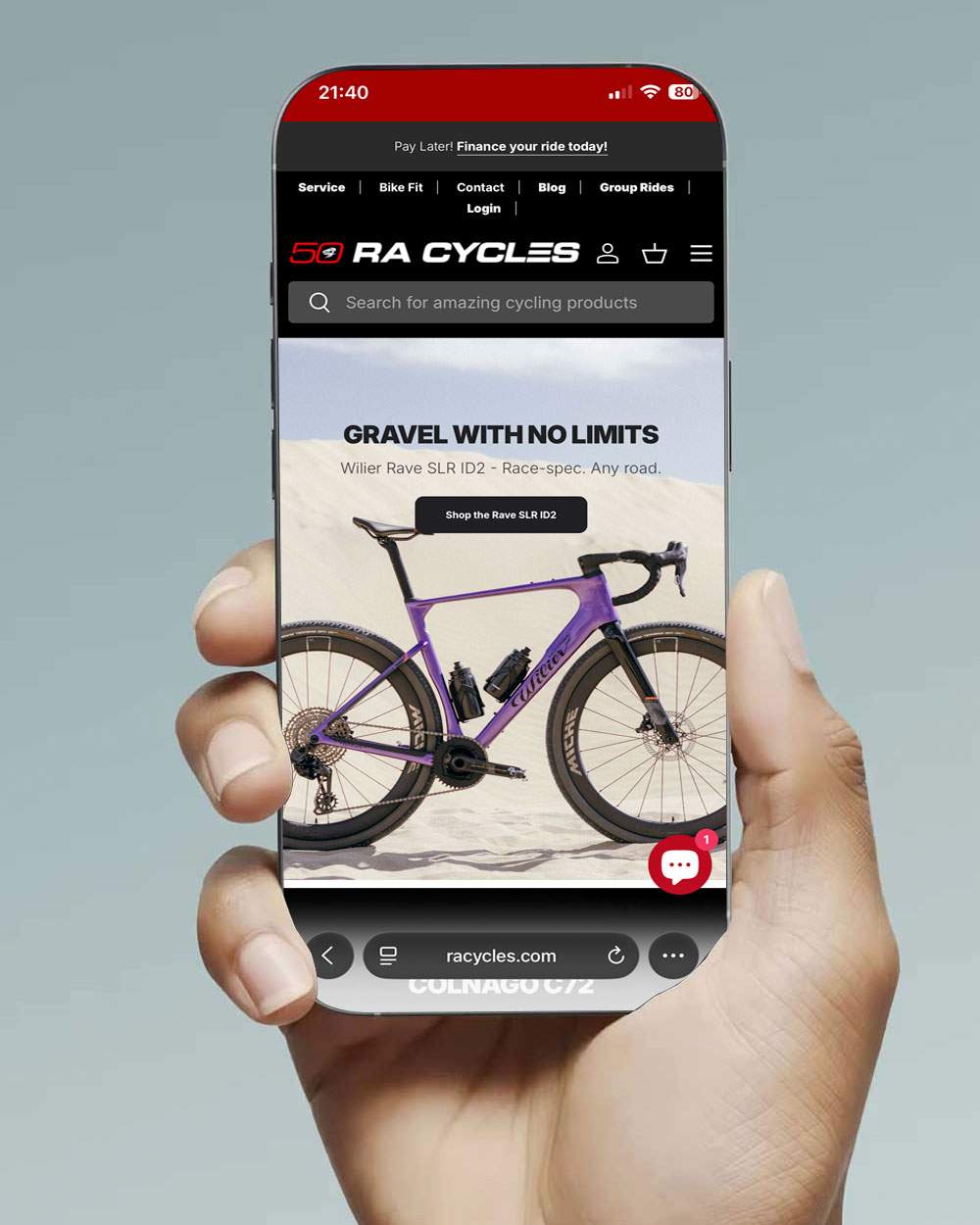
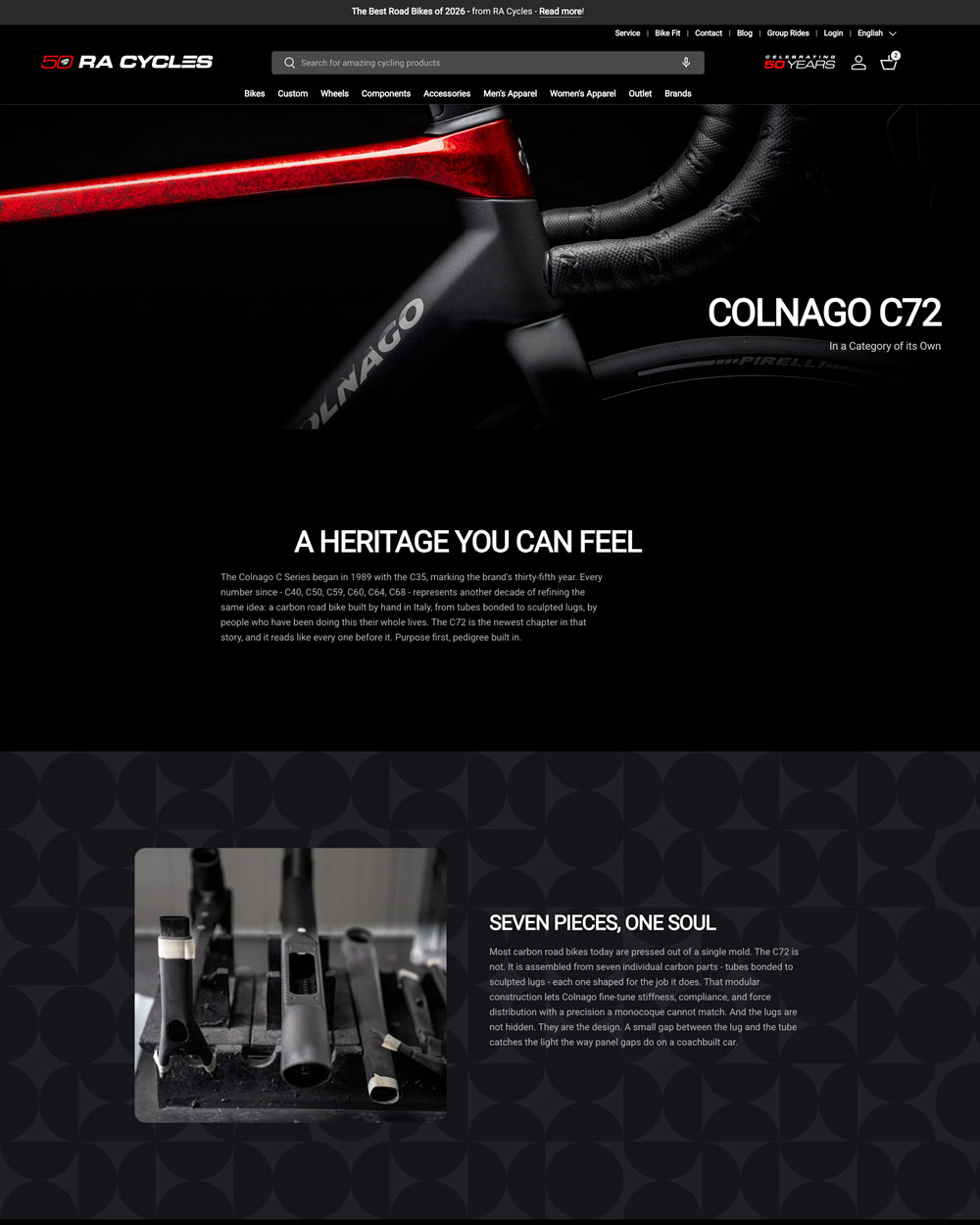
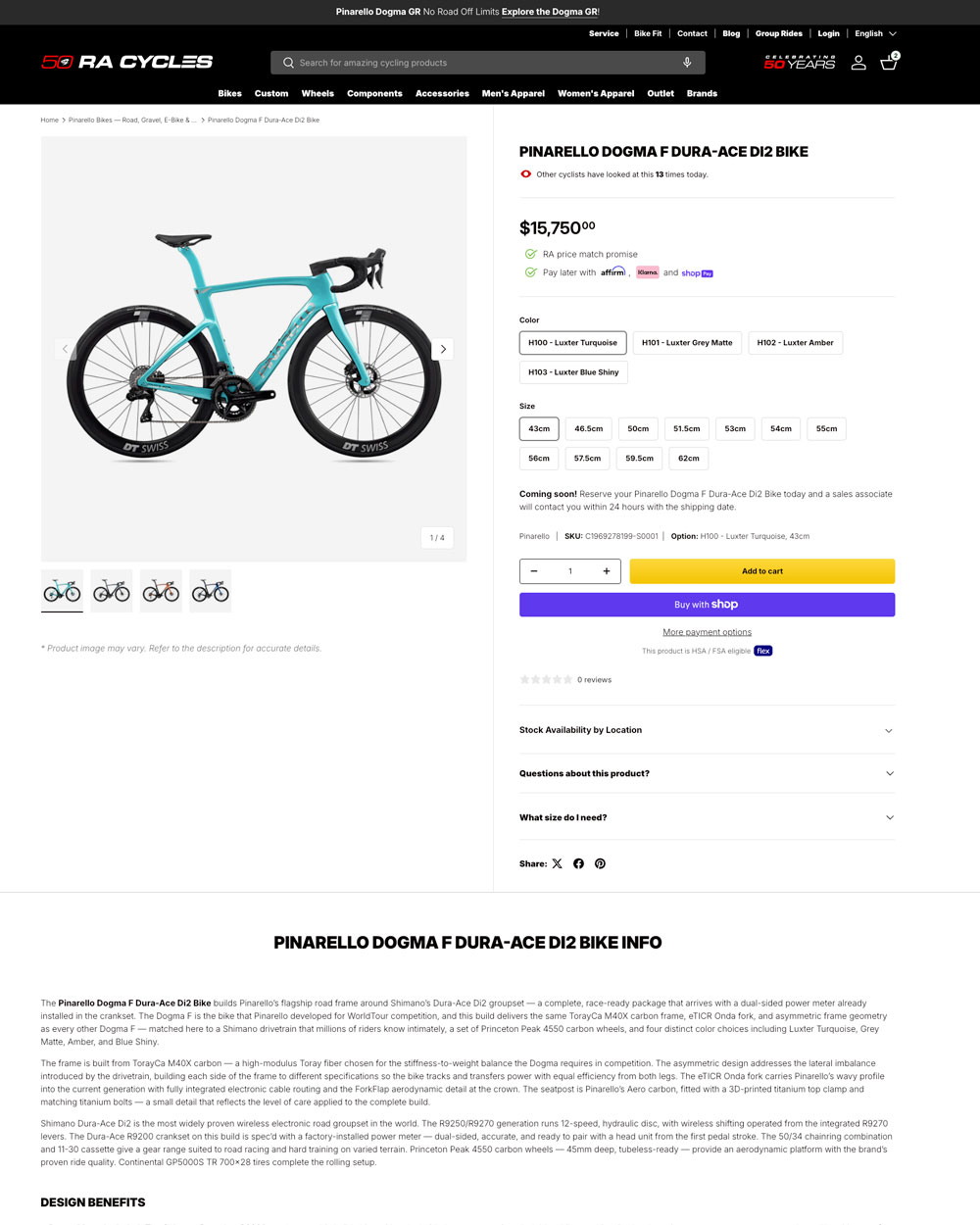
Steinmetz Co. is a founder-led western denim brand built for the barrel-racing world. We're giving it the works — a full Shopify storefront overhaul, niche SEO for western and rodeo apparel, a Google Merchant feed, Klaviyo email and SMS, fraud protection, and a custom back-office dashboard the whole team runs the business from.
02Better Days with Dylan
Most agent sites funnel leads straight to Zillow. We built Dylan one that ranks for his own neighborhoods and keeps the leads at home.
03B Squared Excavating
A family dirt contractor with a slow, unranked WordPress site. We rebuilt it static-first around local search — without losing a single indexed URL.